
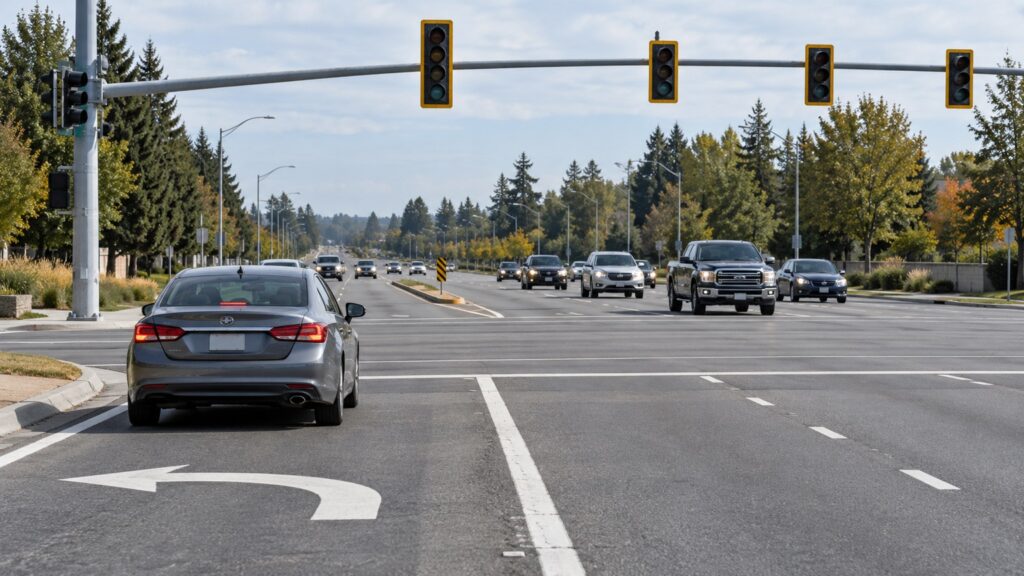
Flashing Yellow Arrows: The Procurement Decision Depends on What Changes at the Intersection
Understand how FYA baseline conditions, signal arrangements, pedestrian interactions, and commissioning shape arrow-module procurement.
Explore how LED roadway, arrow, and pedestrian signal modules are selected and maintained. These articles cover visibility, replacement identification, and long-life purchasing decisions. For a specific order, start with the required indication, physical size, power input, and agency specification, then confirm the complete code against current technical documents.
Record the full existing model, indication, signal-face size, input range, lens and terminal type, plus project and agency requirements. Use the current model-specific sheet before ordering.
No. Standard and Long Life listings use distinct ordering codes. Compare the exact physical, electrical, and warranty requirements and obtain acceptance for the proposed model.
Understand how FYA baseline conditions, signal arrangements, pedestrian interactions, and commissioning shape arrow-module procurement.
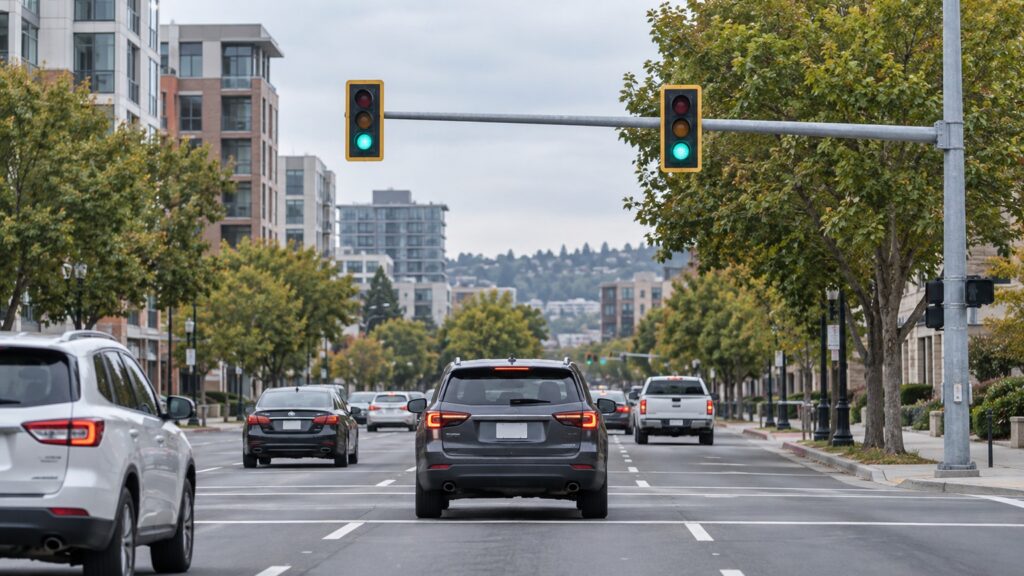
Explore 2026 signal visibility projects and how LED modules, backplates, aiming, inspection, and maintenance fit into a coordinated upgrade.
Traffic Signal Visibility in 2026: Why the Whole Signal Face Deserves Attention Read More »
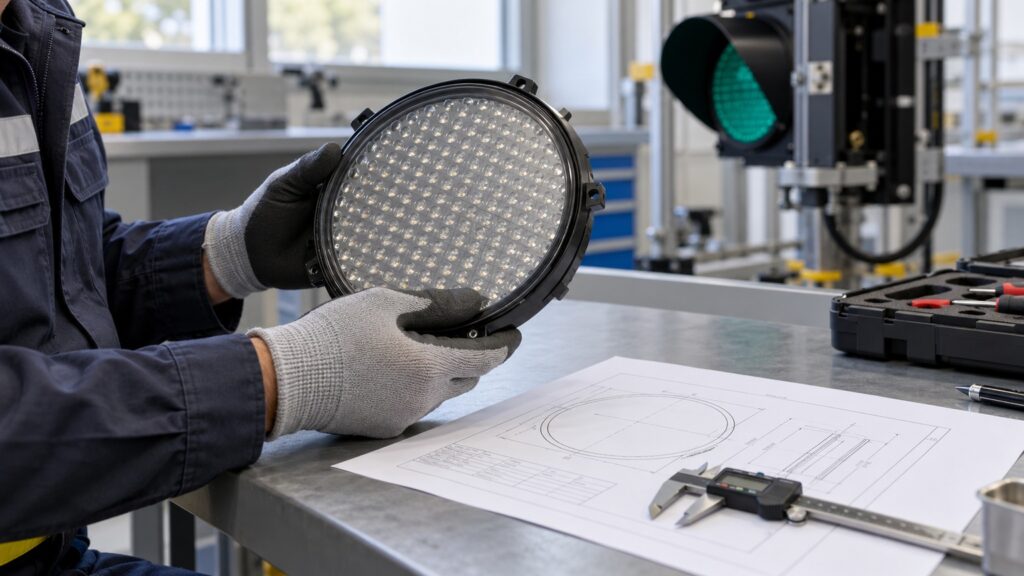
Match legacy Dialight traffic signal products to Frontier candidates using complete model numbers, technical documents, and agency acceptance records.
Dialight Traffic Signal Replacement: How to Specify a Frontier Equivalent Read More »
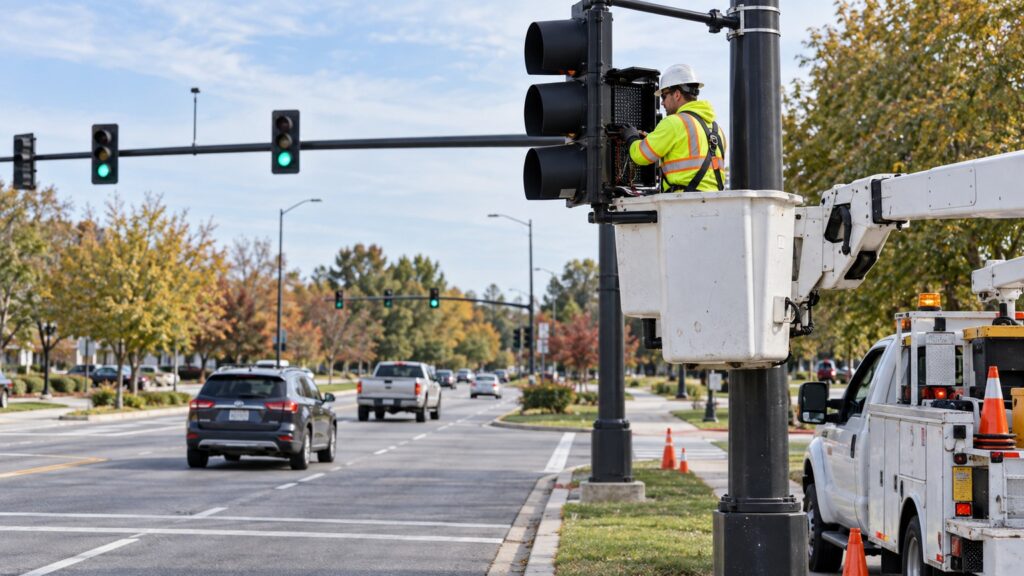
Evaluate long-life LED signal modules using replacement costs, warranty terms, maintenance evidence, and a practical break-even model.
Long-Life LED Traffic Signals: The Replacement Cost That Procurement Often Misses Read More »