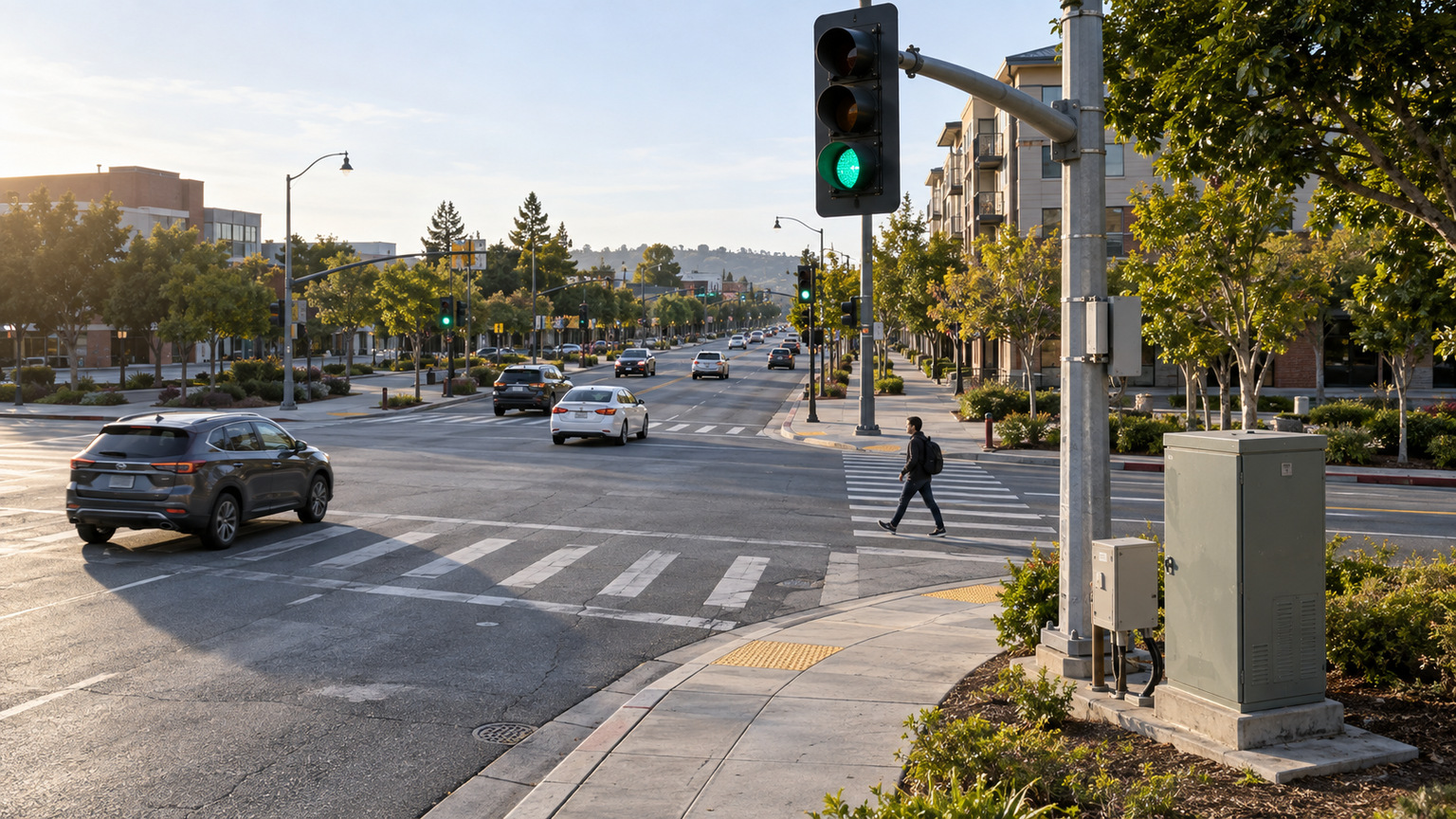
Smart Traffic Signal Procurement in 2026: The Test Comes After the Pilot
A practical 2026 framework for buying smart traffic signal systems: data quality, agency authority, staffing, field acceptance, and exact LED module selection after the pilot.

This library covers common questions specifiers and crews face, from choosing the right signal configuration to avoiding costly maintenance pitfalls. So you can make decisions that hold up in the field.

A practical 2026 framework for buying smart traffic signal systems: data quality, agency authority, staffing, field acceptance, and exact LED module selection after the pilot.


A field-to-submittal guide to 16 × 18-inch pedestrian signal modules, display layouts, housing fit, voltage variants, and exact-model evidence.

What 2026 V2X deployment evidence means for signal buyers: controller readiness, message validation, integration, project costs, and the distinct role of LED indications.

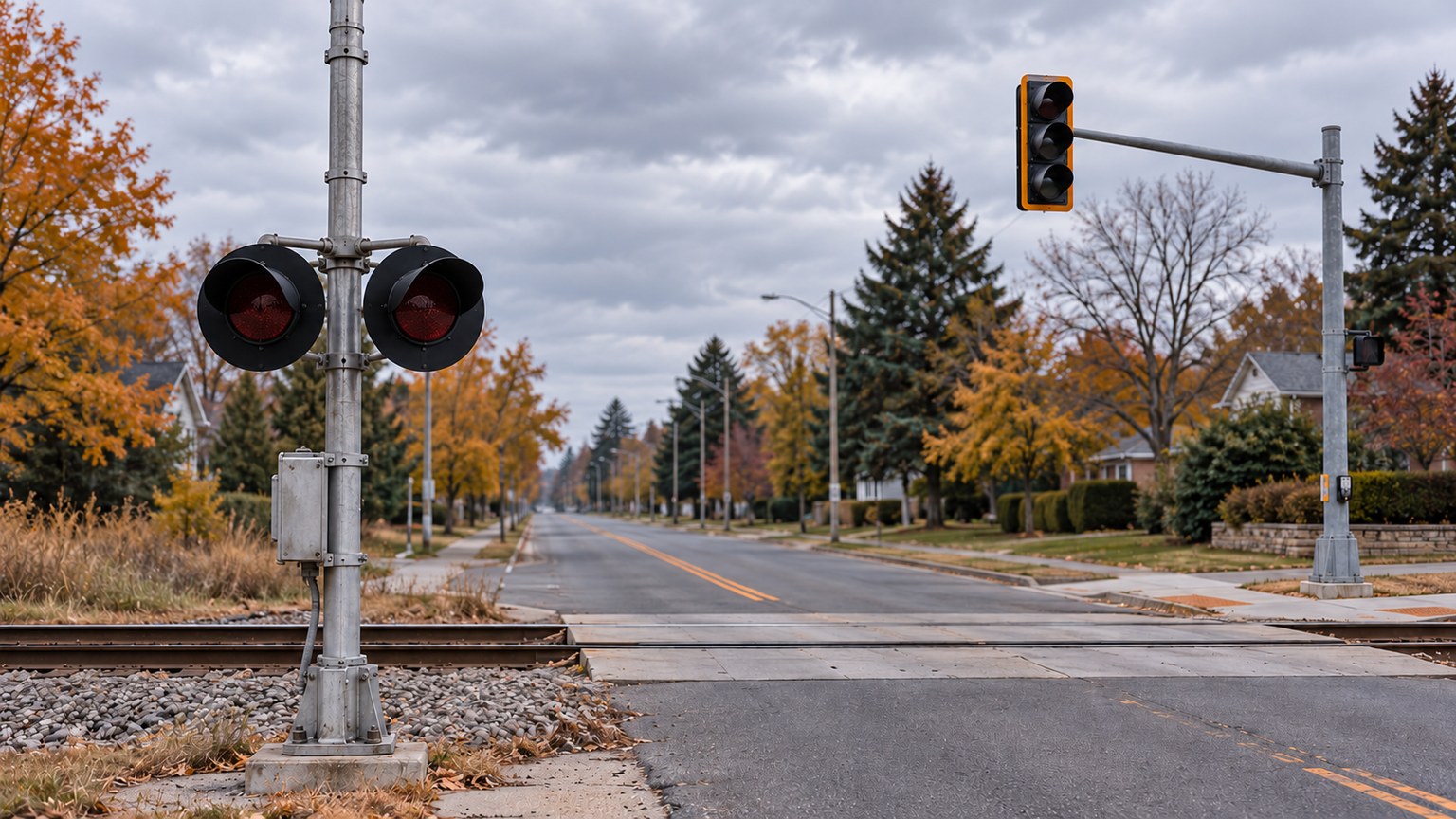
When an intersection sits near railroad tracks, traffic queues and preemption timing need a joint railroad and highway-agency review. Use this source-backed coordination checklist.

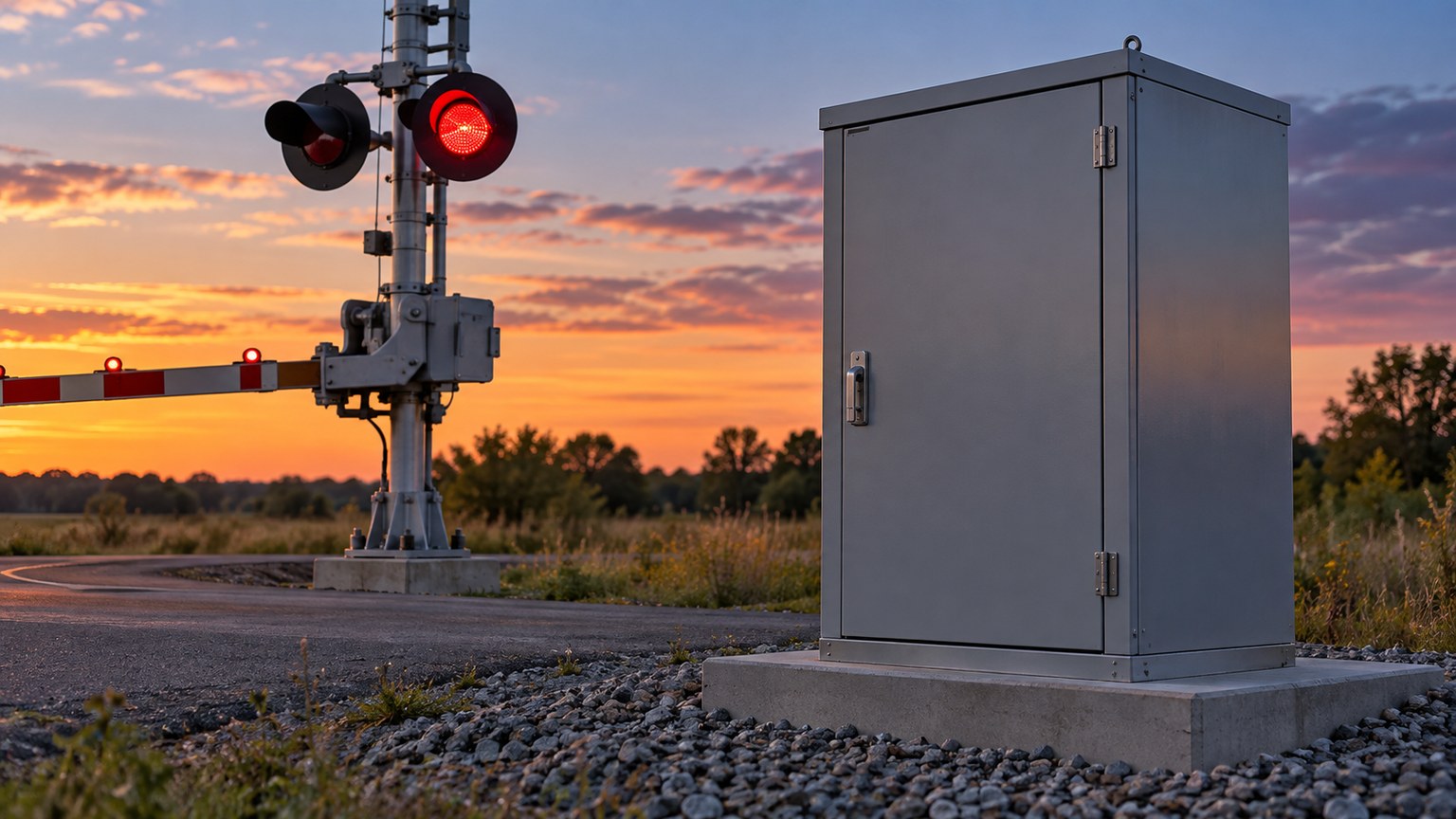
Understand railroad crossing standby power as a system requirement: approved capacity, LED light load data, monthly tests, and replacement handoff.

A practical handoff for rail crossing warning light malfunction reports: distinguish activation, partial, and false activation, then document testing and repair.

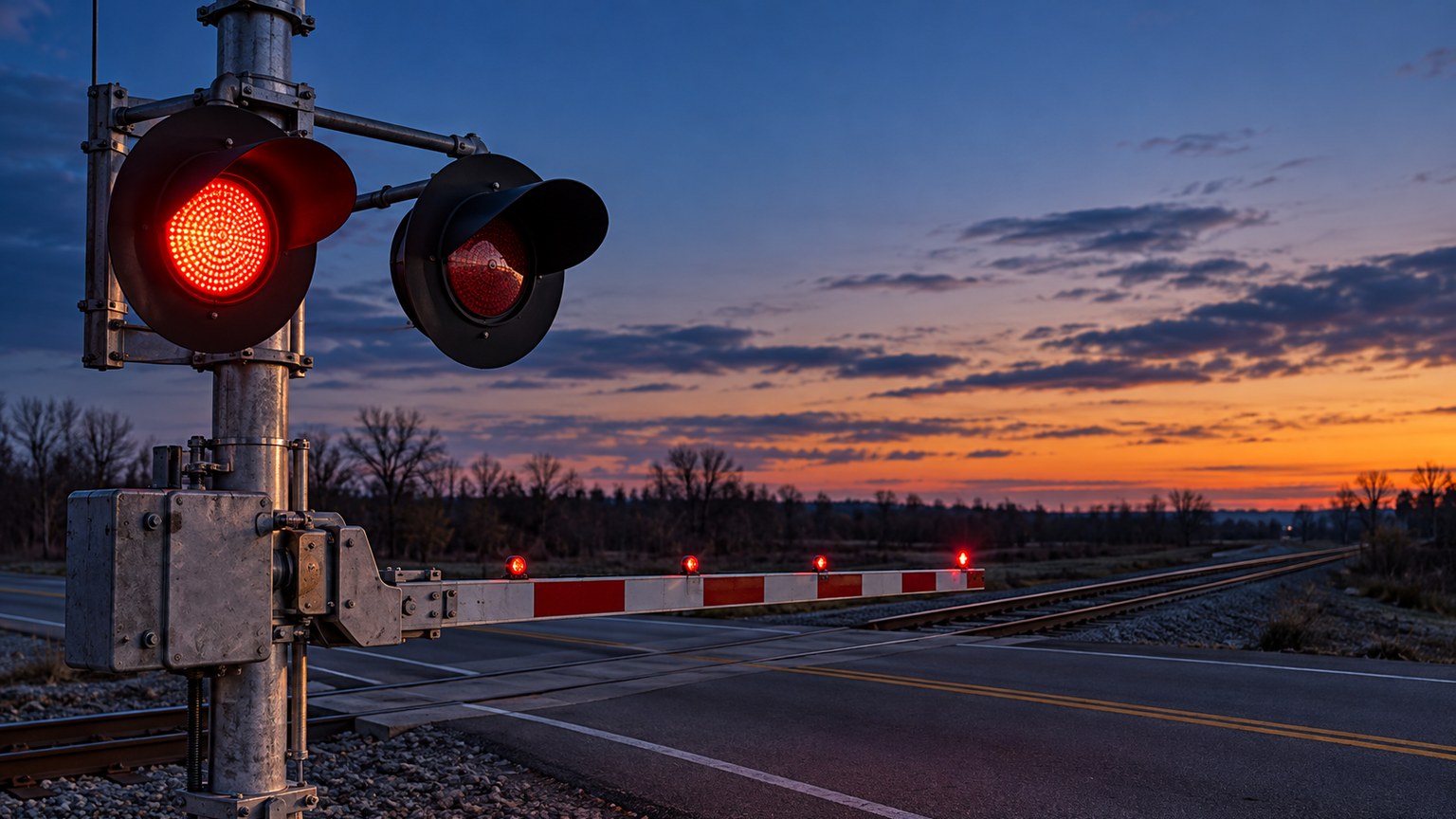
Compare the published attributes of Frontier Low Power and High Power rail crossing lights and the technical data needed before selecting a model.

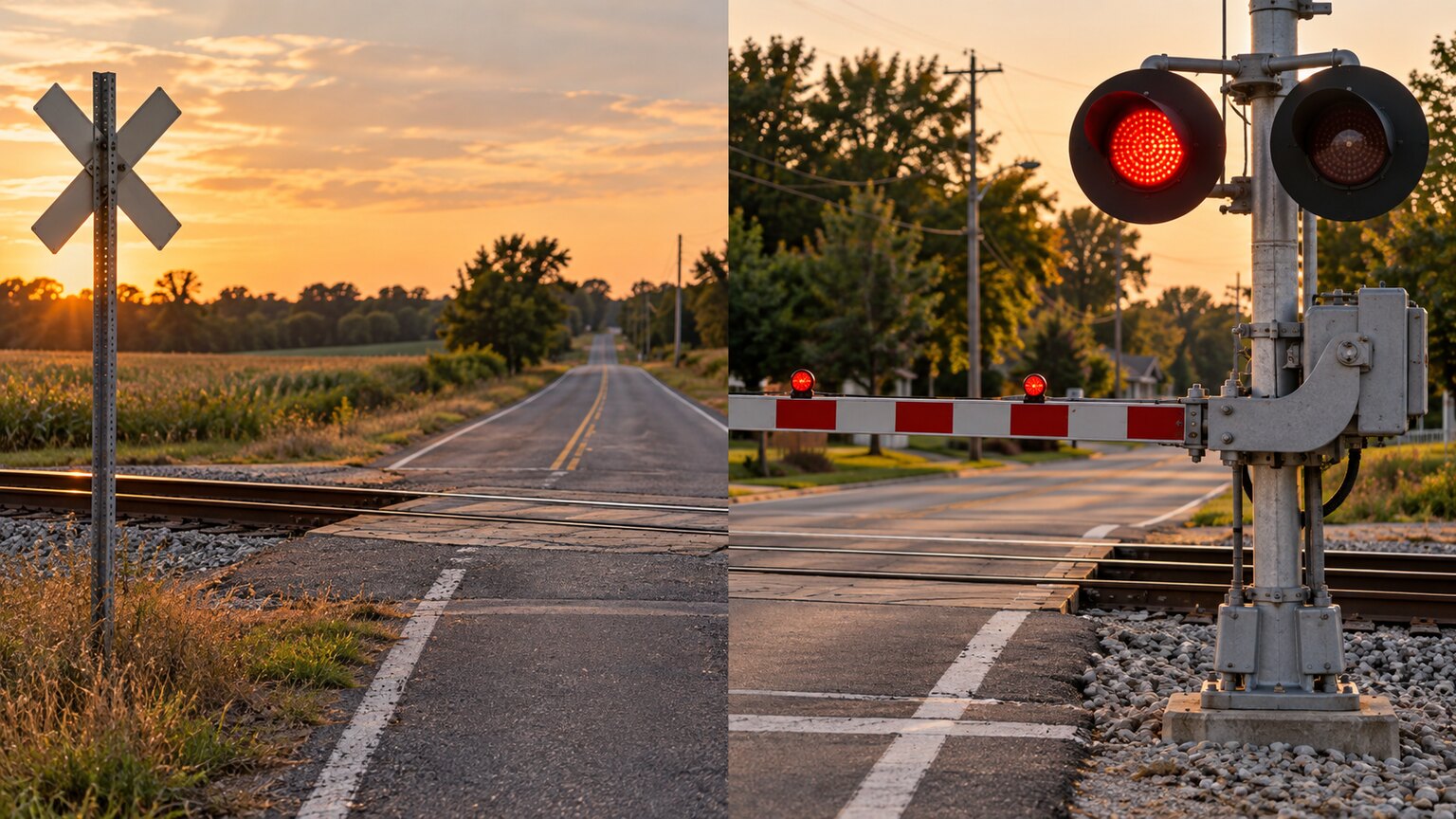
Compare passive and active railroad crossing warnings, the roles of signs, flashing lights and gates, and who approves a site-level change.

A field-focused review of rail crossing flashing light visibility, alignment, optical condition, and inspection records under FRA rules.

Crash patterns and field observations should shape the intervention at a signalized intersection. A brighter signal can help a visibility problem but cannot fix every conflict.
Practical guidance for North American traffic signal selection, compliance, engineering, and long-term maintenance.
Begin with the indication, exact configuration, project specification, and acceptance requirements. Explore procurement and product selection and the Frontier product families.
Use regulatory compliance and standards for product approval, MUTCD, and Buy America considerations; confirm the current project requirements with the governing agency.
Browse pedestrian signals, railroad crossings, signal engineering, and maintenance planning by the question your team needs to solve.