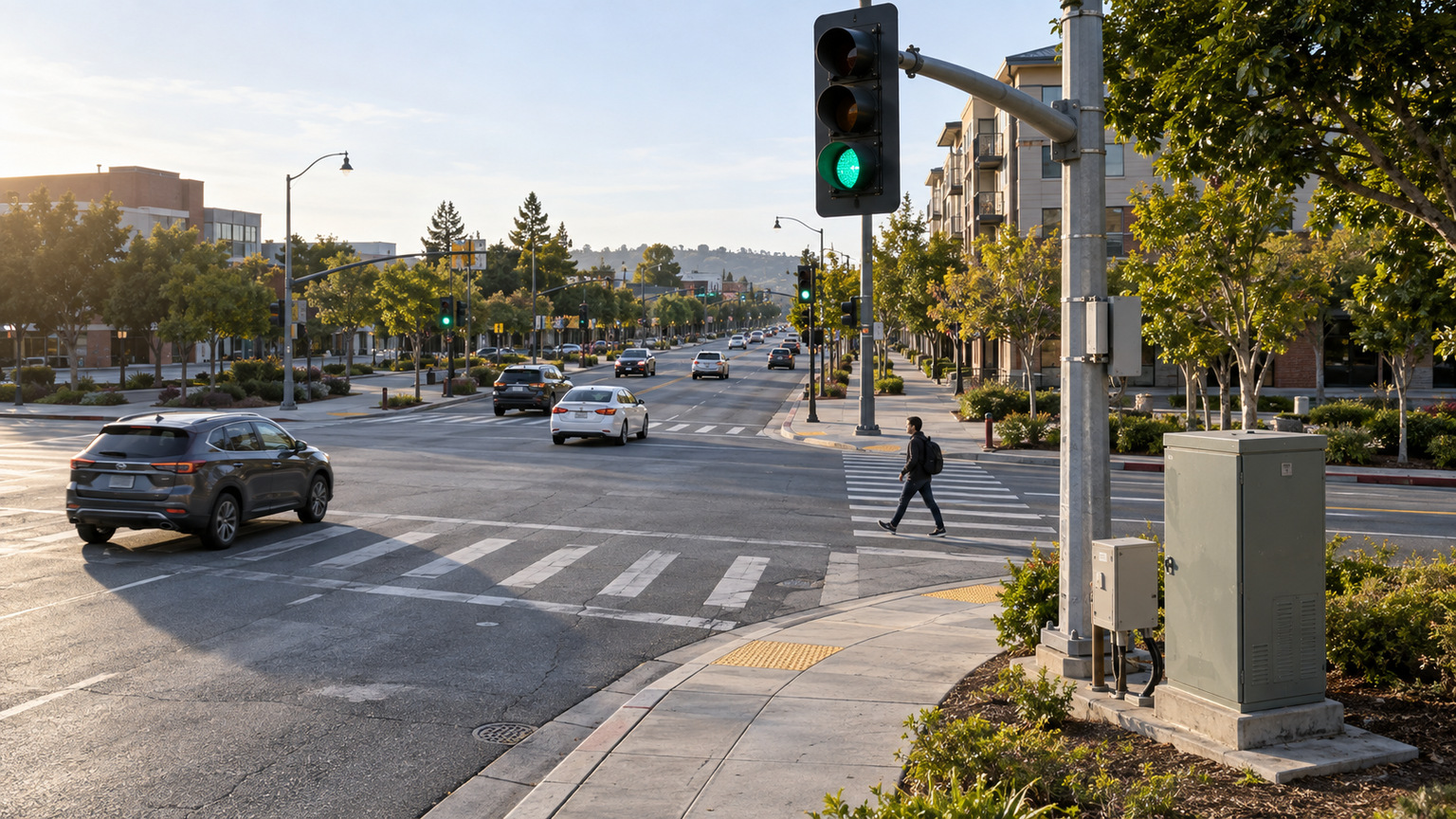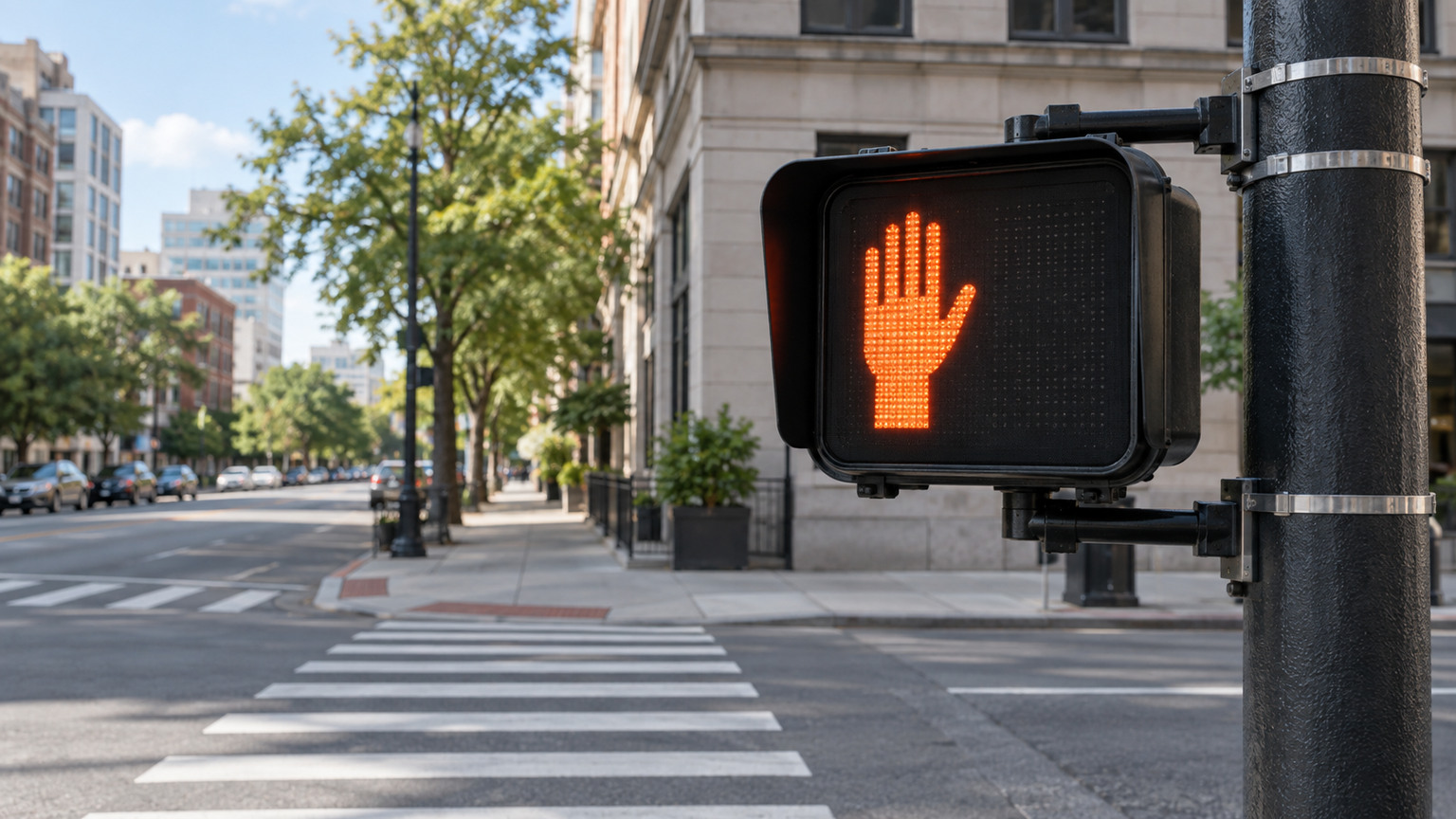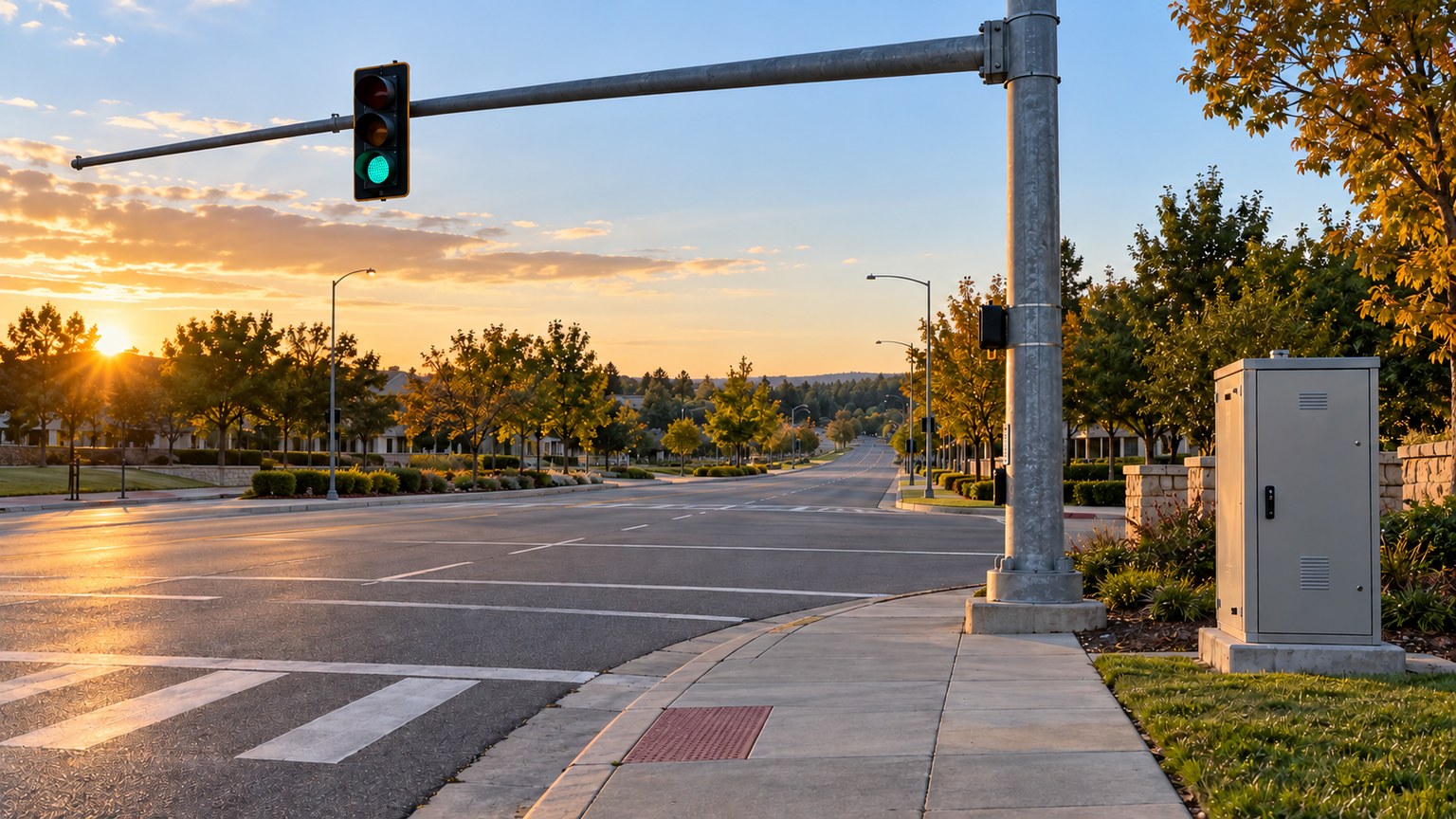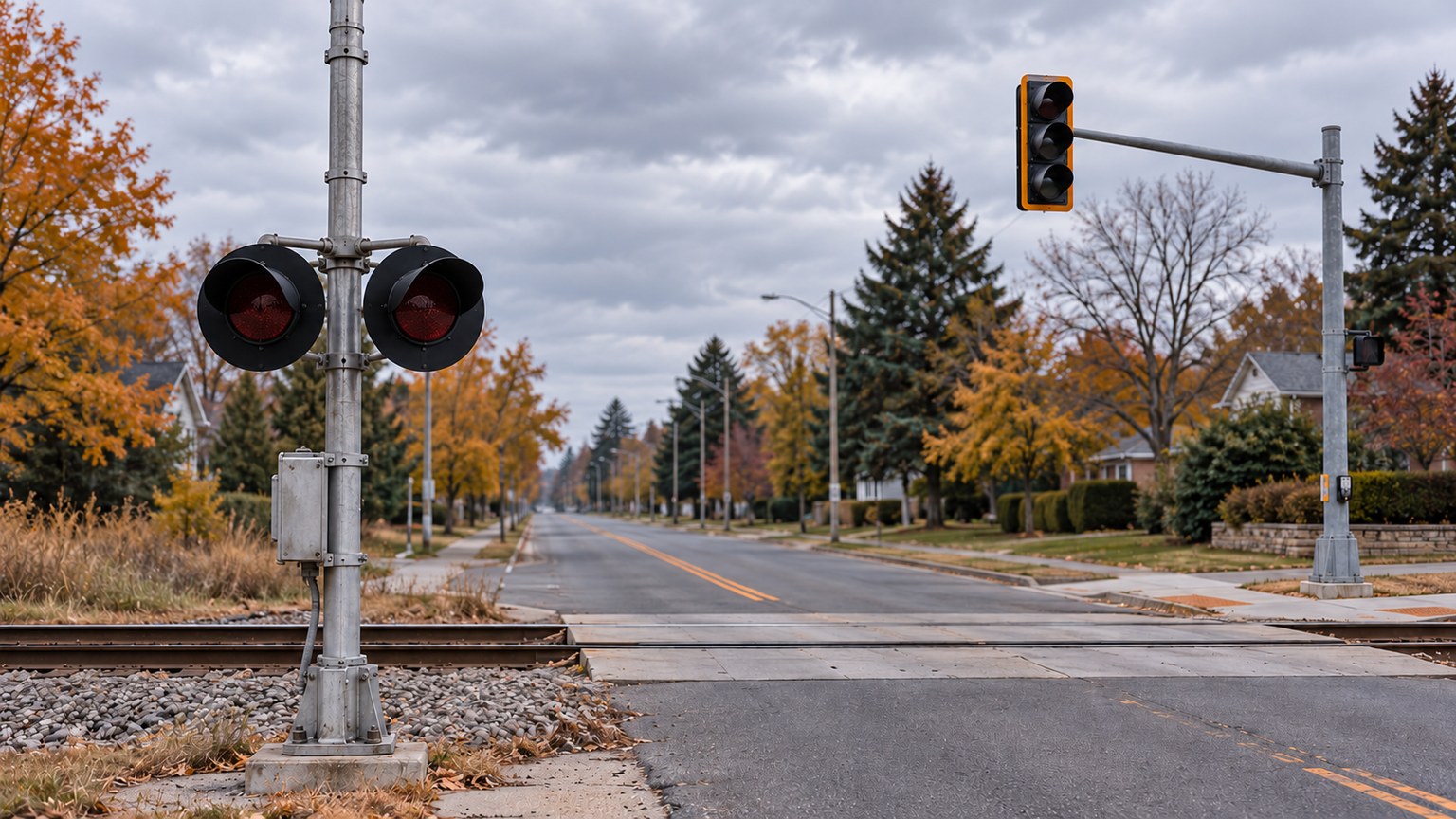

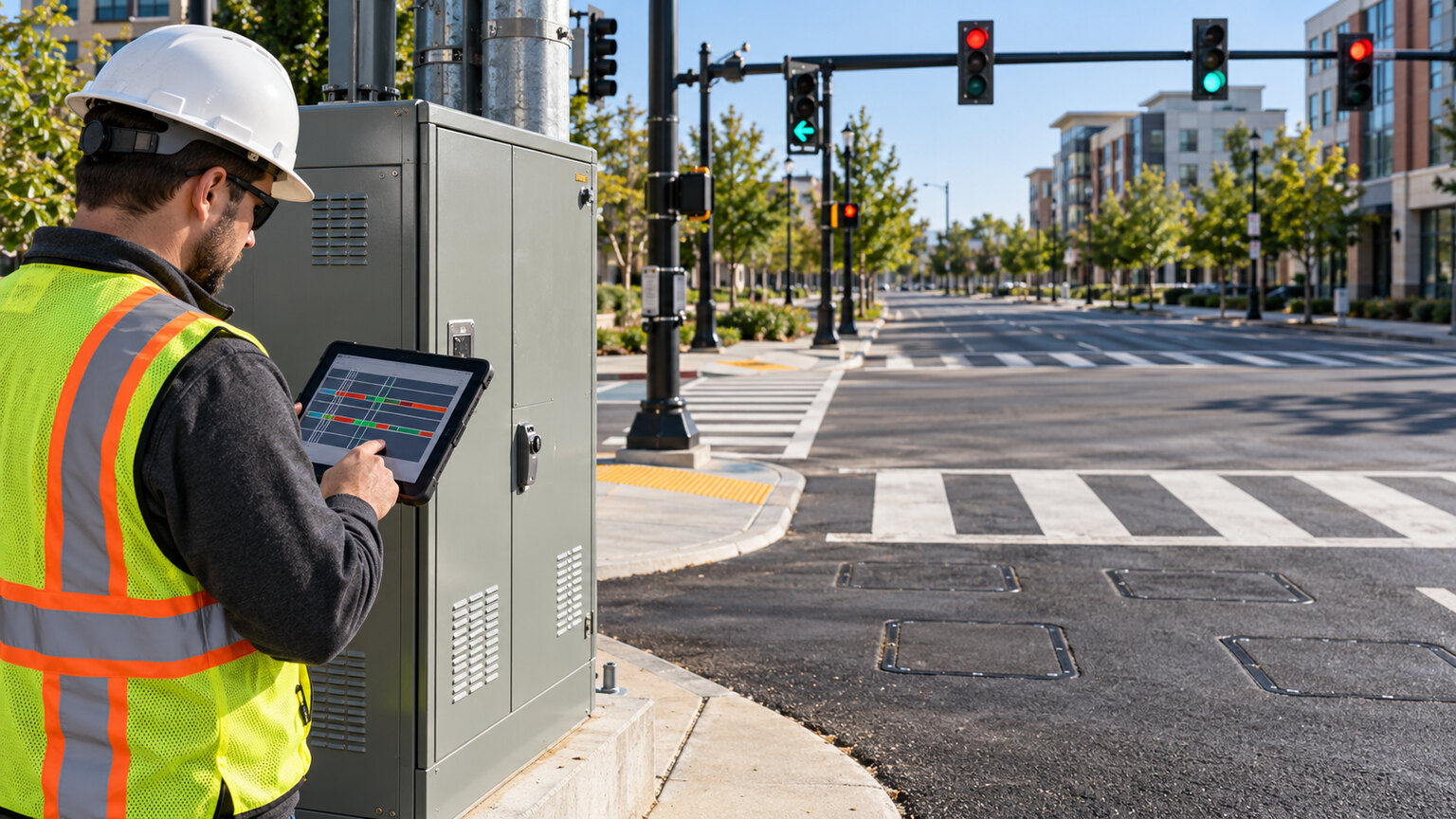
A traffic signal module is the display that drivers or pedestrians see; it is only one part of the intersection. When a signal is dim, damaged, or past its specified service interval, replacing a compatible module may be appropriate. But if vehicles are repeatedly missed, green time arrives at the wrong movement, or people report conflicts, the review should also cover detection, controller operation, phasing, and timing. The FHWA Signalized Intersections: Informational Guide treats those as connected design and operations decisions.
Sort the symptom before choosing the purchase order
Write down what happened, where, at what time, and which movement was involved. “The light is bad” can describe several different faults. A dark or uneven face may point to a module, power, connection, or signal head issue. A vehicle waiting through several cycles may instead indicate a detector call problem or timing plan. A long queue may reflect demand, coordination, lane use, or turn phasing. The field diagnosis determines whether a display replacement belongs in the solution.
Display and power checks
For a display concern, record indication, size, voltage, housing, orientation, lens format, wiring, and the model actually installed. Confirm the manufacturer’s current specification, the agency’s approved product list, and fit for the exact application. The Dialight to Frontier replacement guide describes the information needed to identify a candidate equivalent; it does not make every legacy model interchangeable.
Detection checks
For a missed call or unnecessary recall, review the field detection layout and logs against the intended lane movements. Determine whether the issue is a sensor, placement, communication, settings, or changing traffic pattern. The FHWA guide discusses detection design and its interaction with controller operation. Replacing a brighter LED face will not repair a detector that fails to register a waiting vehicle or bicycle.
Controller and timing checks
Compare the approved timing plan with what the cabinet is running. Investigate phase sequence, coordination, minimum and maximum greens, pedestrian service, change and clearance intervals, and any special operation that affects the complaint. Timing adjustments and conflict checks require agency authority and qualified traffic engineering review; a product vendor cannot approve them from a catalog sheet. If the project changes a left-turn display or operating mode, our flashing yellow arrow procurement article explains why the control strategy must be reviewed along with the indication.
A scope worksheet for a planned module upgrade
- Inventory the existing display: location, direction, indication, dimensions, voltage, current model, head condition, and installed wiring.
- Capture the operational concern: field observations by time of day, controller event logs if available, detection failures, pedestrian complaints, and recent construction changes.
- Decide whether the change is like-for-like: a module-only replacement has different engineering implications from a new phase, display type, pedestrian equipment, or control mode.
- Check the standards and approval path: consult the current MUTCD buyer’s guide, state supplement, agency standard drawings, and model-specific approval.
- Commission and record: after approved field work, document proper display operation and any detection or timing changes under the owner’s procedures.
If an upgrade responds to a reported collision pattern, start with our intersection crash diagnosis guide before choosing a display treatment. For a multi-intersection program, coordinate these checks with a phased replacement strategy so that display purchasing, cabinet work, and operating plans do not drift apart.
Frequently asked questions
If the LED face is dim, must the timing plan change?
Not automatically. Diagnose the display and power issue first. Review timing when field observations, scope changes, or the agency’s procedures call for it.
Can a new module solve missed bicycle detection?
A bicycle indication and bicycle detection serve different functions. Evaluate detector operation and intended phase service separately; see the special indication replacement checklist for display selection.
Who approves a revised phase or clearance interval?
The responsible road authority and its qualified traffic engineering process. The manufacturer supplies product information, not a site-specific timing approval.
Sources and scope
FHWA, Signalized Intersections: Informational Guide, second edition (2013), especially Chapters 5–7, provides a diagnostic framework. Its older design examples are background rather than current standard text. Check the current MUTCD 11th Edition, Revision 1, applicable state rules, and the owner’s approved timing for decisions in 2026.