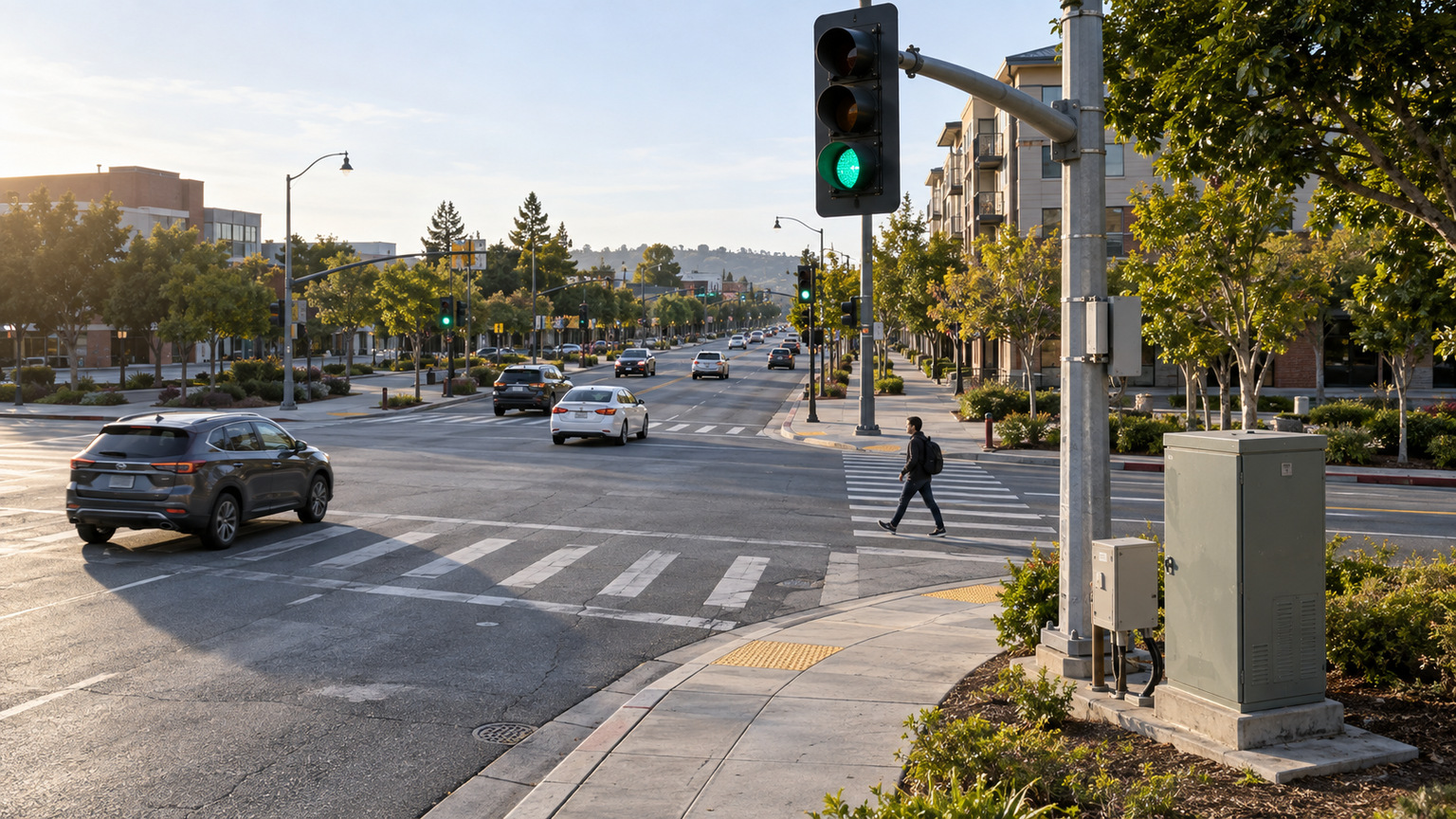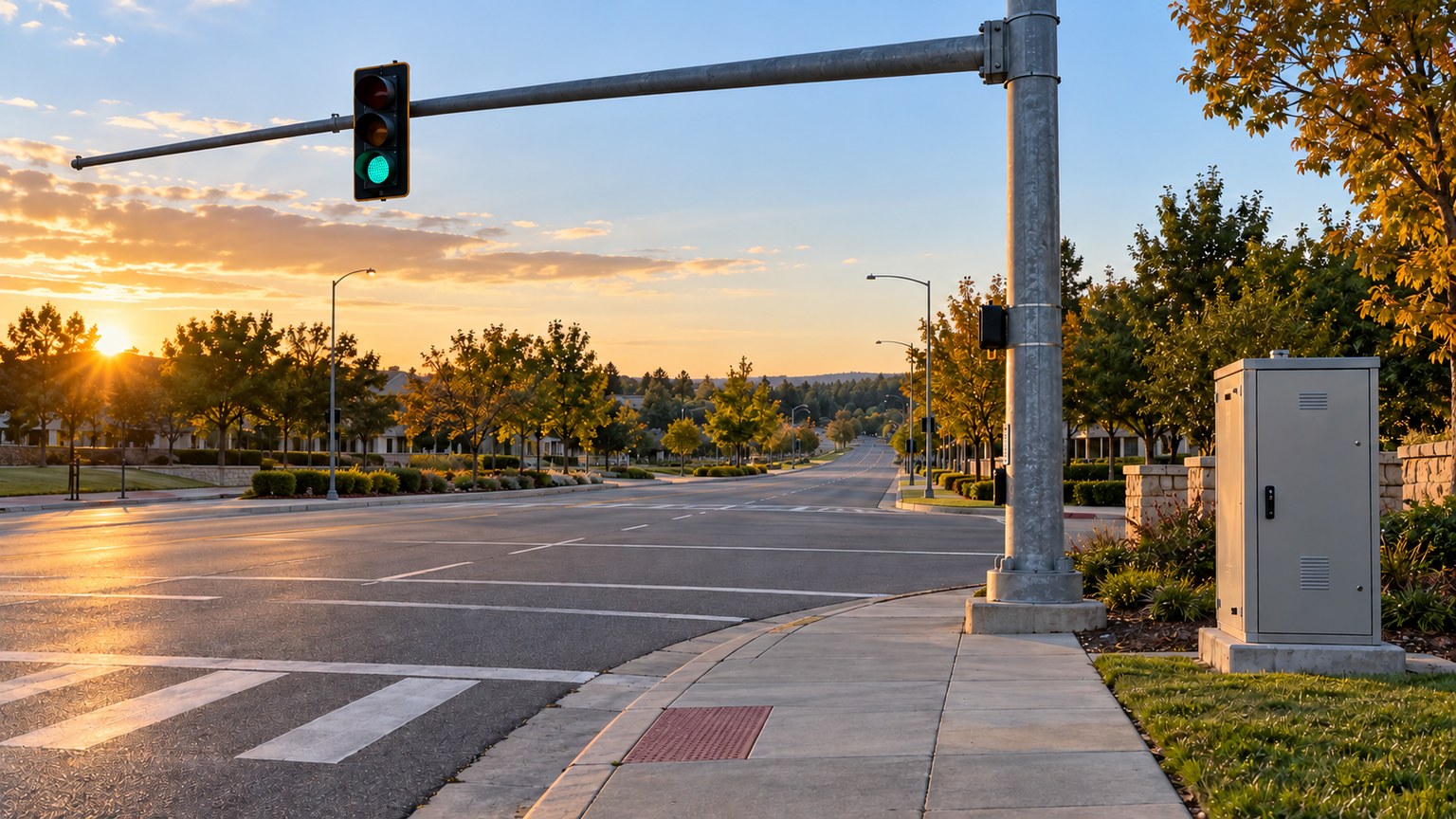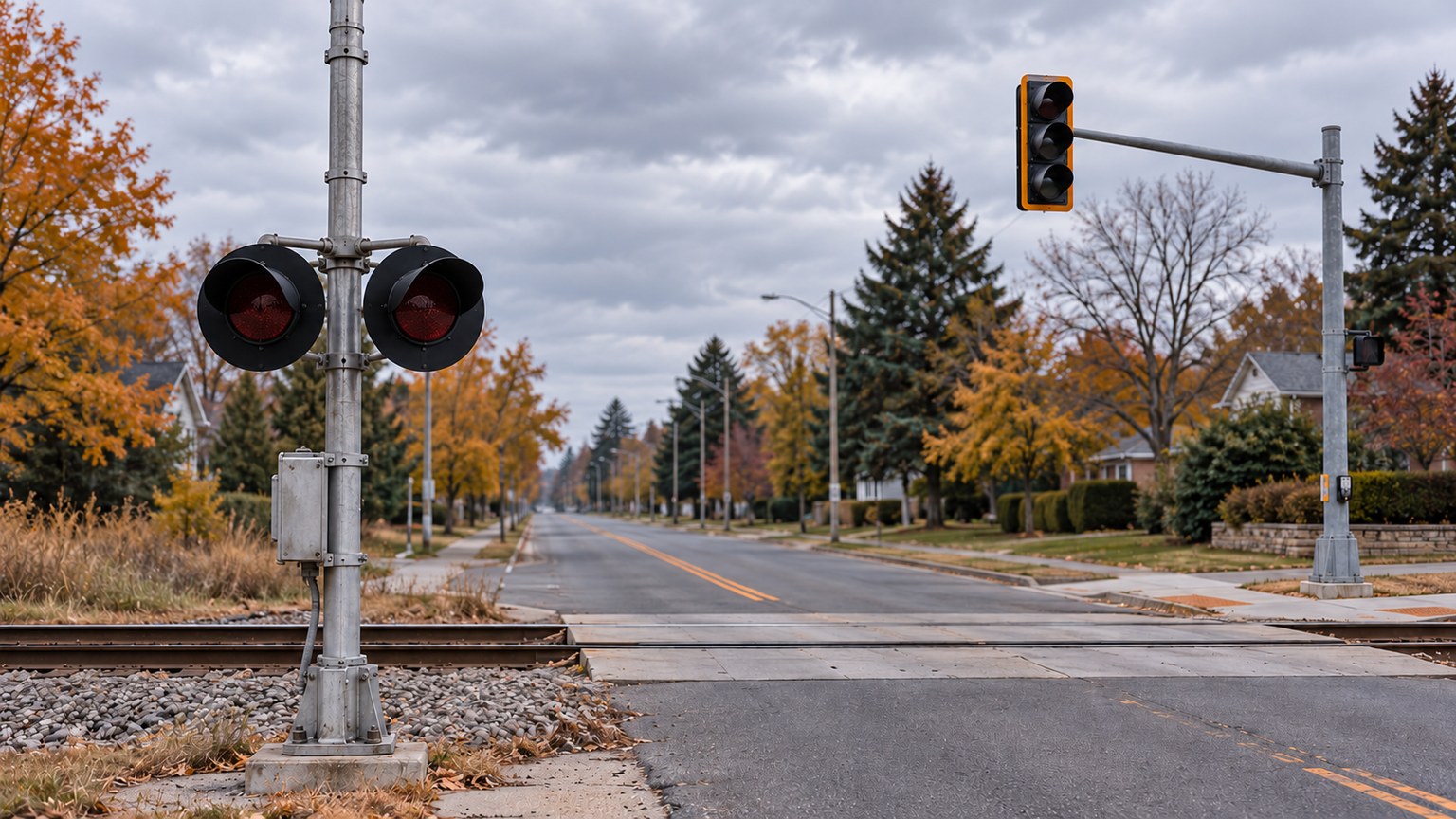


A visible new LED signal can be a useful improvement when the actual problem is signal conspicuity. It is not a universal response to every crash pattern at a signalized intersection. FHWA’s Signalized Intersections: Informational Guide sets out a sequence: identify the crash or operational problem, diagnose likely contributing factors, select candidate countermeasures, assess them, and evaluate results. Procurement should follow that diagnosis.
Begin with a precise problem statement
Collect recent crash records with location, movement, time, lighting, severity, and road user type. Review traffic and pedestrian volumes, approach speed, signal plans, field video or observations where available, maintenance history, sight lines, lane markings, and nearby access points. A cluster of rear-end crashes at one approach, left-turn angle crashes, and pedestrian conflicts call for different investigations. Reported near misses or complaints can suggest where to look but do not by themselves establish the cause.
FHWA’s guide groups common patterns including rear-end, angle, turning-movement, nighttime, wet-pavement, and pedestrian or bicyclist crashes. The categories help organize questions; they do not assign a one-to-one product recommendation.
Match a likely cause to the kind of treatment
Signal visibility and recognition
If the relevant face is obscured, inconspicuous, damaged, or poorly visible against its background, inspect signal placement, head size, backplates, sight distance, and condition. A correctly specified LED module may be part of the work. Our signal visibility guide covers the whole signal face and the reason a module alone may be too narrow a scope.
Timing, detection, and turning conflicts
If drivers enter during a change interval, a left-turn movement has a conflict pattern, or queues create unexpected stopping, review the approved operation and field data. Consider whether phasing, clearance, detection, coordination, or lane geometry requires engineering changes. See our detection and timing review checklist and the flashing yellow arrow decision guide. A new arrow display is one component of an approved operating change.
Pedestrian and bicycle conflicts
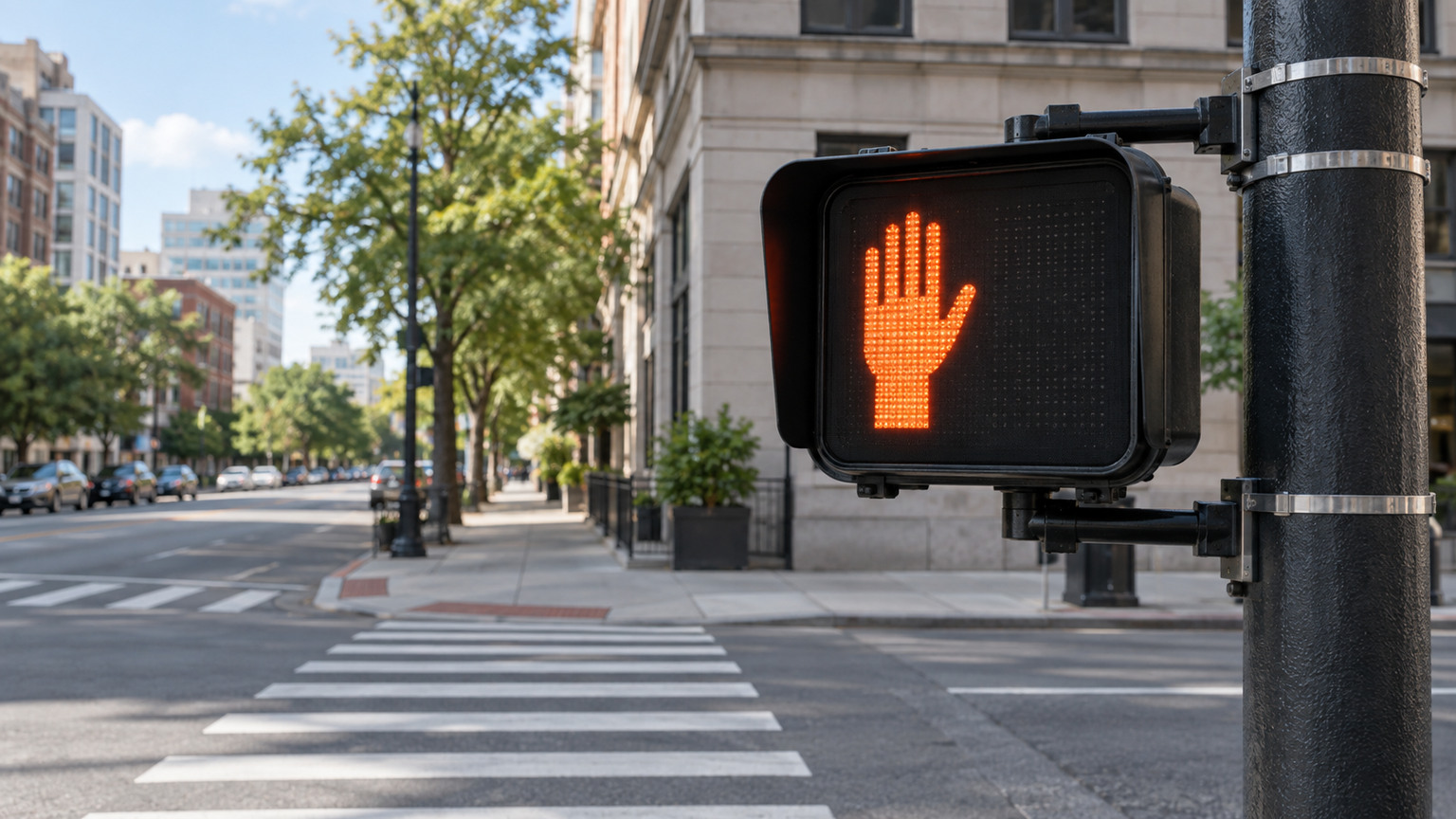
Inspect crossing demand, turning paths, visibility, accessible features, clearance and service, rather than treating pedestrian indications as a decorative add-on. The countdown and APS planning guide and bicycle and bus indication checklist frame equipment choices after the movement and crossing are defined.
A practical evaluation sequence
- Diagnose: document the overrepresented pattern and site conditions, with uncertainty stated where data are thin.
- Generate options: include operations, visibility, markings, access, geometric, pedestrian, and maintenance measures when relevant; do not limit the list to catalog products.
- Screen and design: compare fit to the suspected cause, feasibility, interactions with other users, agency practice, and applicable current standards.
- Implement and monitor: record what changed and when. Evaluate post-installation operations and safety with an appropriate before-and-after method; raw before/after crash counts alone can be misleading if traffic volume or other conditions change.
A multi-site asset program can then use this diagnosis alongside a phased signal replacement plan. It is reasonable to replace worn assets for maintenance reasons even without a demonstrated crash benefit, but the project description should state that goal accurately.
Frequently asked questions
Does a brighter LED module automatically reduce crashes?
No universal site-specific effect can be inferred from brightness alone. First establish whether visibility is a contributing factor and whether the proposed display meets the governing specifications and location needs.
Should every left-turn crash lead to a new arrow module?
No. Review movements, phases, sight lines, exposure, and operating rules. A display choice follows the agency’s selected control strategy.
How should an agency judge the result after installation?
Record implementation dates, field performance, and comparable pre- and post-change conditions. FHWA describes more rigorous before-and-after safety evaluation methods when estimating crash effects.
Sources and scope
FHWA, Signalized Intersections: Informational Guide, second edition (2013), Chapters 6–7, provides the diagnostic framework and examples. Use the current MUTCD 11th Edition, Revision 1 and applicable state and local standards for current design decisions. Examples are not a site-specific safety finding or product performance claim.